Frequently Asked Questions
Fitment, materials, customization, MOQ, payment, shipping and warranty questions we receive most often from off-road brands, distributors and installers.
Products and Vehicle Fitment
Do your off-road parts fit my vehicle?
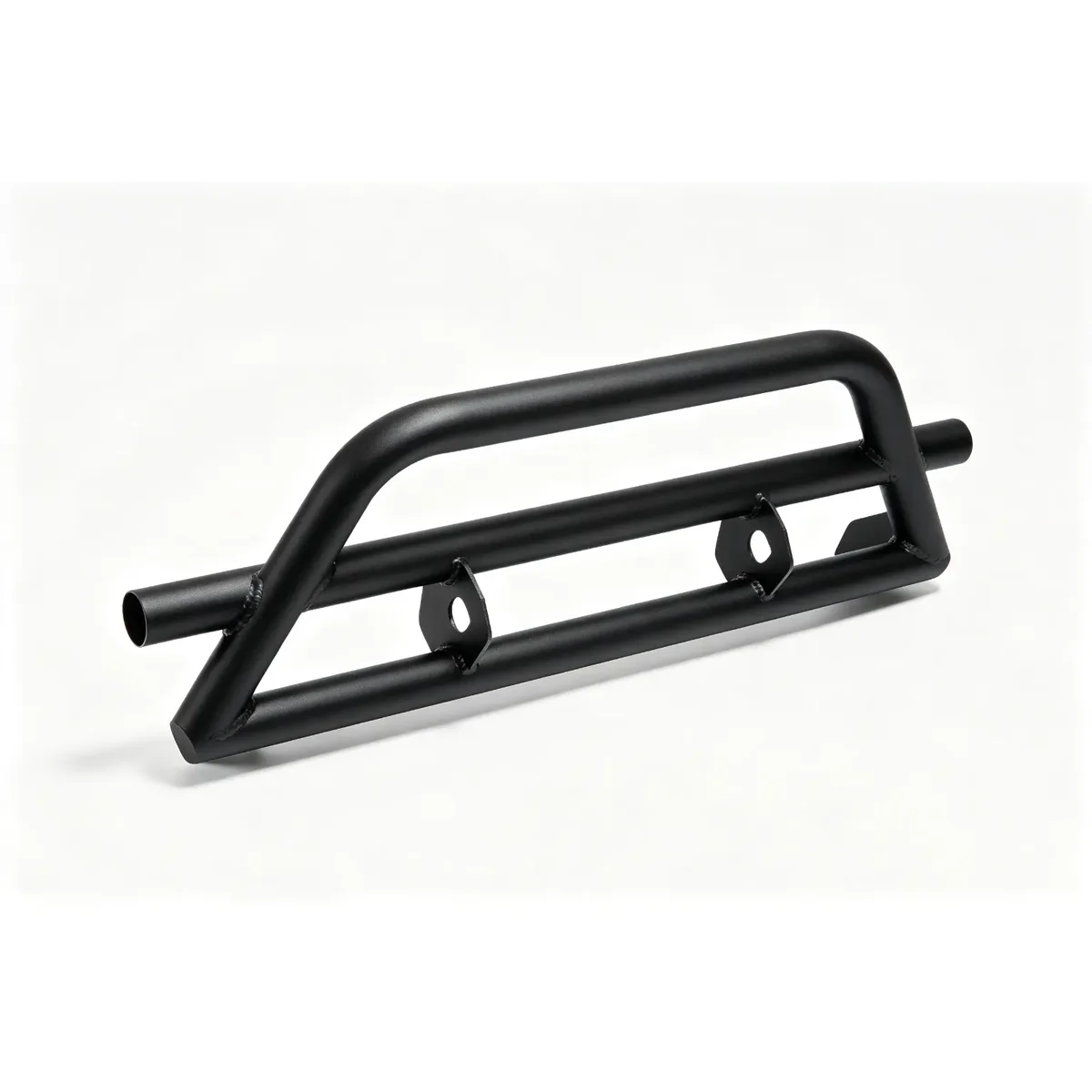
Most of our parts are engineered per vehicle platform, and each product page lists the compatible vehicles and dimensions. Universal designs such as the OBB01 bull bar fit a wide range of 4×4, pickup and SUV models. Send your make, model, year and trim before ordering and we will confirm fitment in writing.
How can I be sure the part fits before I pay?
We confirm fitment by message or email, and can send dimensioned drawings, mounting-point photos or a short fitting video for your vehicle. For a new platform we ask for three photos of the mounting area. Nothing is charged until you approve the confirmed specification.
Is installation bolt-on, or does it need drilling or welding?
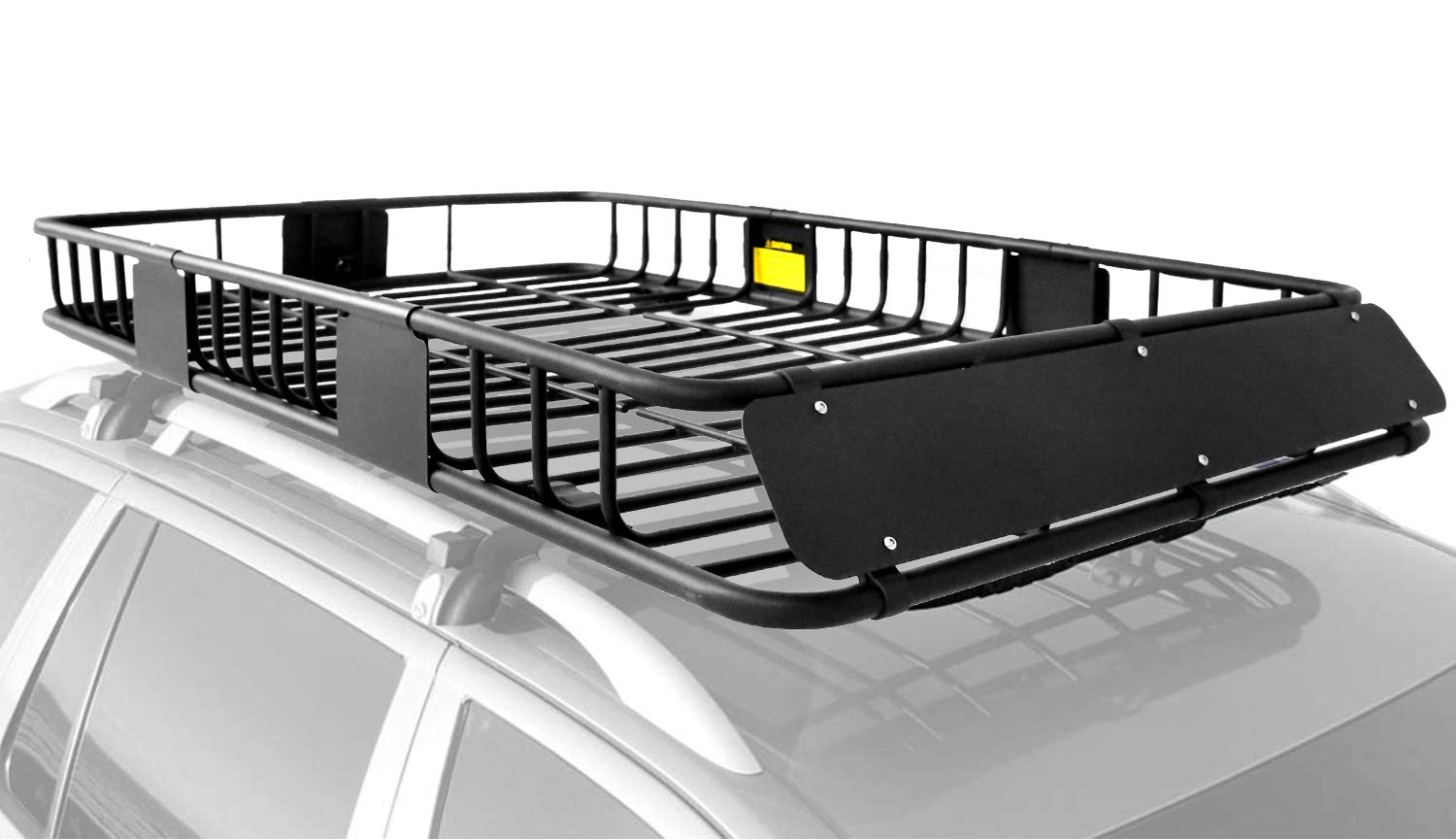
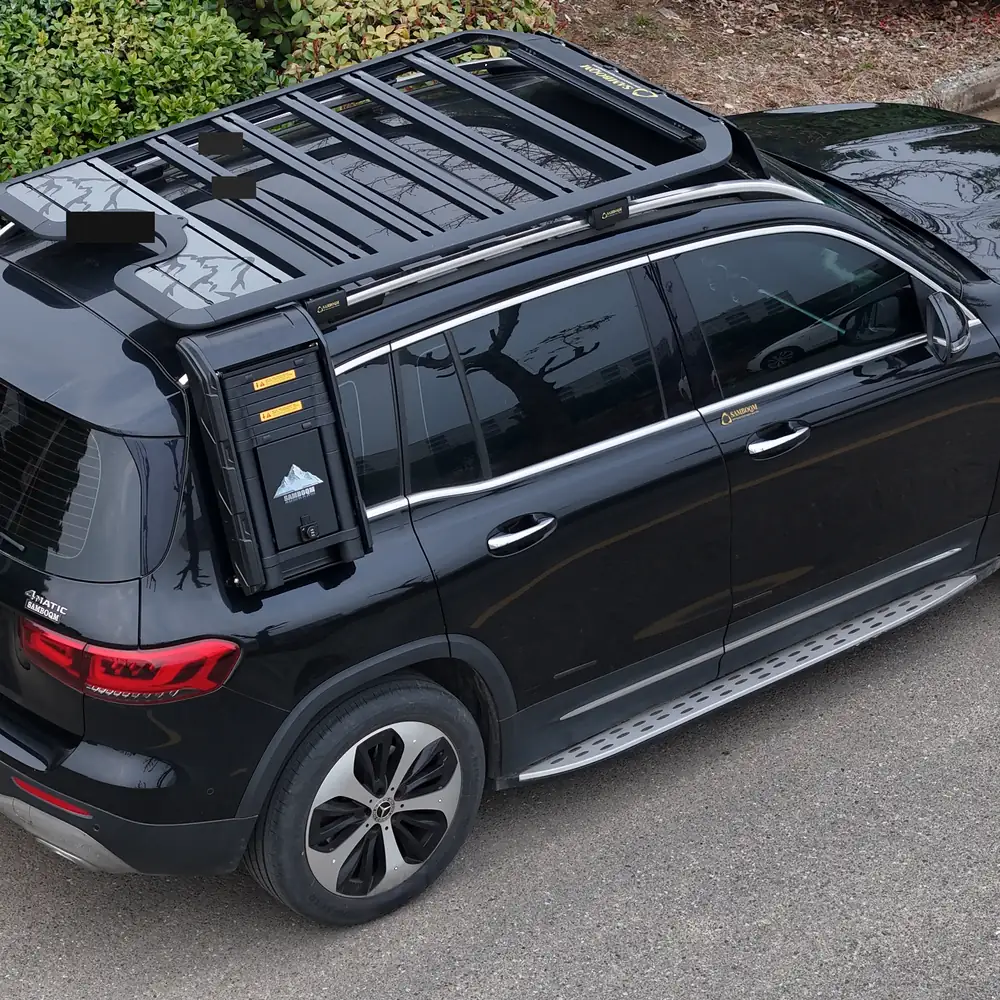
Bumpers, bull bars, side steps, ladders and roof racks are bolt-on and use the factory mounting points, so no cutting, drilling or welding is required. Hardware and a fitting guide are included. Re-torque all bolts and check clearance after the first 500 km.
Can I keep my factory sensors, tow hook and fog lights?
In most cases yes. Sensor cut-outs, tow-hook access and auxiliary light brackets are specified per model, so tell us your vehicle configuration at inquiry stage. If your bumper needs a different cut-out layout, the drawing can be adjusted before production.
Do you supply left-hand and right-hand drive versions?
Where the geometry differs between LHD and RHD vehicles we tool both versions. Tell us the destination market at the inquiry stage so the correct variant is quoted and produced, and so labels and manuals match that market.
Materials, Finish and Quality
What steel and aluminium do you use, and how thick?
Bull bars and bumper shells are built from heavy-duty steel tube and plate, typically 3 mm as on the OBB01, with thicker gauge on brackets and recovery points. Roof racks and platforms use aluminium to keep weight down. The exact gauge is listed on every product page.
How is the surface finished, and will it rust?
Steel parts are pre-treated and then powder coated in black matte, which gives good corrosion resistance for outdoor use. Coating adhesion is salt-spray tested and the test report is available on request. Stone chips should be touched up promptly to keep the coating intact.
Can the finish match my brand colour?
Yes. For volume orders we powder coat to RAL colours, and can also supply textured black or a satin finish. Send the colour reference with your inquiry and we will return a sample chip for approval before the batch is coated.
How do you control welding and dimensional quality?
Each model runs on dedicated jigs and fixtures, welded by qualified operators, then checked against the drawing before coating. Incoming material, in-process and pre-shipment inspections follow our ISO 9001 system, and third-party inspection such as SGS or BV can be arranged on request.
Customization and OEM / ODM
Can you produce parts from my drawing?
Yes. We work from 2D drawings, 3D models, a physical sample or a vehicle scan. Our engineers return manufacturability feedback and a quotation, then build tooling once the drawing is approved. Your drawings and tooling are not reused for other customers.
Do you develop new products, or only copy existing designs?
Both. We reverse engineer from a sample when a design already exists, and our in-house engineering team develops new structures from a requirement brief, including packaging. New development usually starts with a concept sketch, a cost target and a prototype.
Which elements can be customized?
Structure and dimensions, steel gauge, mounting brackets, finish colour and texture, branding by laser marking, embossed plate or badge, retail packaging, labels, manuals and full private-label programs. Mixed customization within one container is possible.
How long does tooling take?
Simple bracket or fixture changes take about 7 to 10 days. A new welded assembly with new fixtures takes 3 to 5 weeks, and complex moulds take longer. Tooling time is quoted separately from production time and is confirmed after drawing approval.
Orders, MOQ and Payment
What is your minimum order quantity?
MOQ depends on the model. As a guide, allow 10 to 50 units per model, while a stock sample can be supplied as a single unit. Mixed models can be combined in one container to reach an efficient volume. Tell us your target quantity and we will confirm.
How does the ordering process work?
Inquiry, specification and fitment confirmation, quotation, sample or drawing approval, proforma invoice, deposit, production, inspection, balance payment, then shipping documents. You receive photo and video updates at each milestone, and no stage moves forward without your approval.
What are your payment terms?
Payment terms depend on the order value and how much customization is involved. Most orders run on a 50 percent T/T deposit with the 50 percent balance before shipment; larger or heavily customized programs can be arranged at 30 percent deposit with 70 percent before shipment. We send photos of the finished and packed goods before you pay the balance, and letter of credit at sight or Trade Assurance is accepted for larger programs. Send us your order details and we will confirm the terms in writing.
Can I order a sample first?
Yes. Where the item is in stock we ship a single sample, and the sample and freight cost are credited against your bulk order. Custom samples are charged at tooling plus unit cost. Samples are normally sent by express courier within a few working days.
Shipping and Lead Time
What is the lead time?
Stock items usually ship 2 to 3 weeks after the deposit is received. Custom and bulk orders take about 25 to 40 days depending on quantity, coating and packing. Tooling time is additional. We confirm the production schedule in the proforma invoice.
Which shipping terms and routes do you use?
We quote EXW, FOB, CIF and DDP. Bulk orders ship by sea in full containers or LCL, and European customers can be served by rail. Samples and urgent parts go by air or express. Shipment is normally arranged from Dalian or Tianjin port.
How are heavy steel parts packed?
Steel parts are wrapped in foam or EPE, strapped onto pallets and loaded with a plan that avoids voids and shifting. Cartons are neutral brown by default. Branded cartons, labels and manuals are available once written authorization for the artwork is received.
Do you provide the export documents?
We issue the commercial invoice, packing list and bill of lading, and can supply a certificate of origin and material or coating test reports. Off-road parts are normally declared under HS code 8708.29. Any additional certification should be raised at the quotation stage.
Warranty and After-Sales
What warranty do you offer?
Parts carry a 12 month warranty against manufacturing defects, covering welds, dimensions and coating adhesion. It does not cover collision damage, incorrect installation, overloading or normal wear. Claims are handled with photos, and resolved by replacement part or credit.
What if the goods arrive damaged or incorrect?
Send photos and a short video within 7 days of receipt. We check the loading record and packing photos, then replace the affected parts in the next shipment or credit them. Transit damage is documented for the carrier and insurer on your behalf.
Do you support installation and supply spare parts?
Each order includes a fitting guide, and a video or photo sequence is available for most models. Brackets, hardware, seals and locks can be supplied as spares. Our technical contact stays available by email or WhatsApp during installation.